

A slow drain seems like a small annoyance, something to shrug off or fix with a bottle of drain cleaner from under the sink. But when water lingers in your tub, sink, or shower longer than it should, it can be an early warning sign of a much bigger issue lurking in your pipes or foundation. Understanding what causes slow drainage, and when it points to something more serious, can save you from costly damage and stressful emergencies down the road. This guide breaks down the most common culprits behind sluggish drains and explains exactly when it is time to call in professional help.
Identifying the Early Warning Signs of Drain Trouble
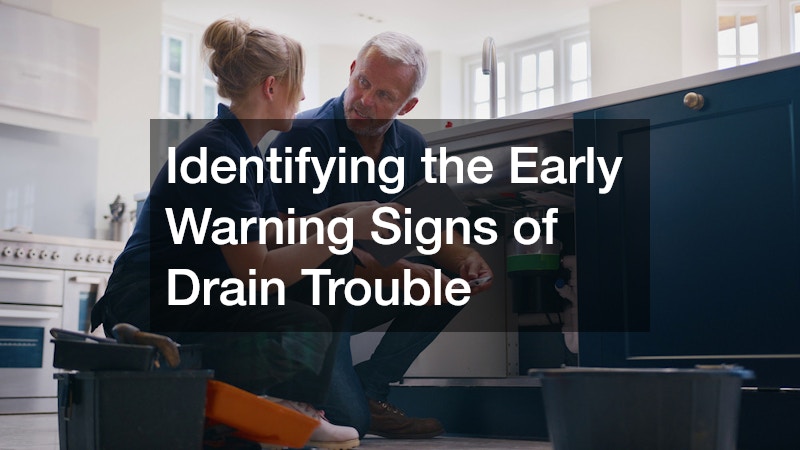
A drain that empties slowly is rarely an isolated event. It usually starts small, a sink that takes an extra thirty seconds to clear, then gradually worsens over weeks or months as the underlying blockage grows. Paying attention to these early signals can help you catch a minor issue before it becomes a major repair.
- Water pools around your feet in the shower before it slowly drains away
- Gurgling sounds coming from drains or nearby pipes
- Multiple fixtures are draining slowly at the same time
- Unpleasant odors rising from sinks or floor drains
- Water is backing up in one fixture when you run another
Common Causes of Slow Drainage in Bathrooms and Kitchens
Hair, soap scum, and grease are the most frequent offenders behind sluggish bathroom and kitchen drains. Over time, these materials cling to pipe walls, narrowing the passage and trapping additional debris as it flows through. What starts as a minor buildup can eventually restrict water flow so significantly that fixtures barely drain at all.
While many homeowners attempt to clear these blockages themselves with chemical cleaners or a plunger, these methods often only provide temporary relief. Professional drain cleaning services rely on local licensed plumbers who use specialized tools like motorized augers and hydro-jetting equipment to remove buildup completely from the interior of the pipe, rather than just pushing the clog further down the line.
- Grease and cooking oil are solidifying inside the kitchen pipes
- Hair and soap residue are accumulating in bathroom drains
- Mineral deposits from hard water are narrowing the pipe diameter
- Small objects or debris accidentally washed down the drain
When Tree Roots Invade Underground Sewer Lines
One of the most damaging causes of slow or backed-up drains is tree root infiltration into underground sewer lines. Roots are naturally drawn to the moisture inside sewer pipes, and even the tiniest crack or loose joint gives them an opportunity to grow inward. Once inside, roots expand and create blockages that worsen every season, eventually leading to complete pipe failure if left unaddressed.
Homeowners often notice slow drains throughout the entire house, not just in one fixture, when tree roots are the cause. This is a strong signal that the problem lies in the main sewer line rather than in an individual pipe. Video camera inspections are typically used to confirm root intrusion and determine whether the line needs mechanical clearing or full replacement.
- Slow drainage is affecting every fixture in the home
- Sewage odors near the yard or foundation
- Unusually lush or green patches of grass over the sewer line
- Repeated backups despite clearing individual drains
How Clogged Drains Signal Deeper Pipe Damage
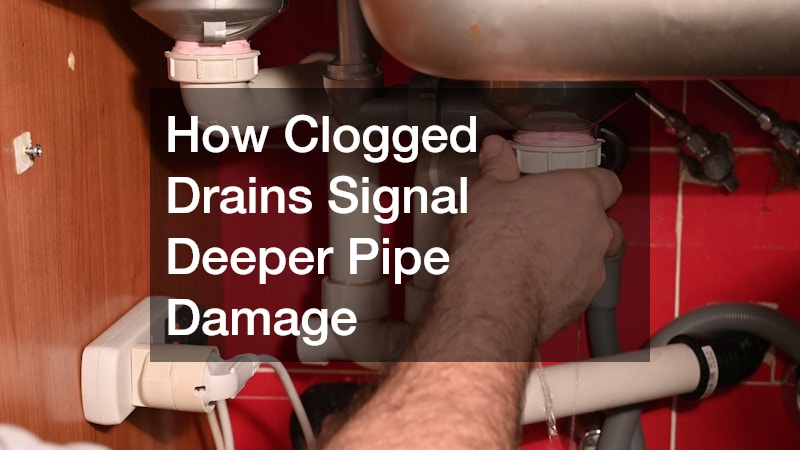
Not every clog is a simple surface-level blockage. Sometimes recurring clogged drains point to structural problems inside the pipe itself, such as collapsed sections, corrosion, or bellied pipes that have sunk due to shifting soil. These conditions trap water and debris no matter how often the line is cleared, which is why the same drain keeps backing up over and over again.
If a plumber has cleared a drain multiple times and the problem keeps returning, it is worth requesting a camera inspection to see the actual condition of the pipe. This step helps distinguish between a minor blockage and a pipe that genuinely needs replacement, guiding you toward the right plumbing repairs instead of another temporary fix. Catching this distinction early prevents wasted money on repeated short-term fixes.
- Recurring clogs in the same drain despite cleaning
- Slow drainage that returns within days or weeks
- Gurgling noises that persist after clearing attempts
- Visible corrosion or discoloration in older pipes
Recognizing When a Slow Drain Becomes an Emergency
Most slow drains develop gradually, but some situations demand immediate attention. Sewage backing up into multiple fixtures, water pooling around floor drains, or a complete stoppage throughout the house are signs that the problem has moved beyond routine maintenance. In these cases, waiting even a day or two can lead to water damage, contamination, and higher repair bills.
If you experience sewage odors combined with standing water in tubs or sinks, it is time to contact an emergency plumber rather than trying another round of store-bought solutions. These situations often involve main line blockages or venting failures that require professional diagnostic equipment. Acting quickly limits the damage and protects your home’s water quality and structural integrity.
- Multiple drains are backing up simultaneously
- Water or sewage pooling on floors
- Strong sewage smell throughout the home
- No improvement after using a plunger or drain snake
The Connection Between Drainage Problems and Foundation Health
It is easy to think of drains and foundations as unrelated systems, but a persistent leak or slow-draining sewer line can quietly undermine the soil beneath your home. When water escapes from a cracked or clogged pipe, it saturates the surrounding soil, causing it to expand, shift, or erode over time. This movement can eventually lead to foundation settling, cracked walls, or uneven floors.
If you notice slow drains alongside new cracks in your foundation, doors that no longer close properly, or damp spots near your home’s base, it may be worth consulting a foundation repair specialist in addition to a plumber. Addressing the plumbing issue alone will not fix soil damage that has already occurred. Catching this connection early can prevent thousands of dollars in structural repair costs.
- Cracks appearing in walls or flooring near affected drains
- Doors and windows are sticking or misaligned
- Damp or soft soil patches near the foundation
- Musty smells in crawl spaces or basements
Why Water Heater Issues Sometimes Mimic Drain Problems

Slow drainage is not always caused by the drain itself. Sediment buildup inside a water heater tank can reduce water pressure and flow throughout the plumbing system, making drains appear sluggish even when the pipes are clear. This is especially common in homes with older tanks that have not been flushed regularly.
If your hot water drains more slowly than cold water, or if you notice reduced pressure, specifically when using hot water fixtures, the water heater may be the actual source of the issue. Scheduling routine water heater repairs and tank flushing can restore proper flow and extend the life of the unit. Ignoring this maintenance often leads to more expensive replacement down the line.
- Hot water drains noticeably slower than cold water
- Rumbling or popping sounds coming from the tank
- Reduced hot water pressure throughout the house
- Visible sediment when the tank is drained
How Water Quality Affects Pipe Buildup Over Time
The quality of your water plays a bigger role in drain performance than most homeowners realize. Hard water, high in minerals like calcium and magnesium, gradually deposits scale inside pipes, narrowing the interior diameter and slowing water flow. Over the years, this buildup can significantly reduce a pipe’s capacity, even without any external damage.
Water hardness is typically measured in grains per gallon (GPG), and anything above 7 GPG is considered hard. In areas with municipal water sourced from limestone-rich groundwater, levels can climb well above that, accelerating scale formation inside pipes far faster than in regions with naturally softer water.
Beyond scale, water chemistry can compound the problem. Water with high iron content can leave rust-colored deposits that mix with mineral scale, while acidic water can corrode certain pipe materials and create rough patches that trap debris. Together, these factors mean two homes on the same street can experience very different rates of drain slowdown depending on their plumbing materials and water source.
Water hardness is measured in grains per gallon (GPG), and anything above 7 GPG is generally considered hard water. In these regions, dissolved calcium and magnesium don’t just pass through your pipes—they slowly deposit along interior walls, narrowing the passage available for water flow. Over the years, this scale buildup can reduce pipe diameter significantly, turning a minor drainage delay into a full clog.
Installing a home water filtration or softening system can reduce mineral buildup and extend the life of your plumbing. Softeners work by exchanging calcium and magnesium ions for sodium or potassium, while filtration systems can also address sediment, chlorine, and other contaminants that contribute to corrosion. This is particularly valuable in regions known for hard water, where scale accumulation happens faster than in areas with naturally softer water supplies.
- Visible white or chalky residue (limescale) on faucets, showerheads, and fixtures, especially in areas with hard water above 7 grains per gallon
- Reduced water pressure over time as mineral deposits narrow the pipe diameter, sometimes cutting flow by 25% or more in older galvanized pipes
- Soap that does not lather easily, since calcium and magnesium ions bind with the soap before it can foam properly
- Spots or film left on dishes after washing are often mistaken for poor detergent quality rather than mineral buildup
- Faster corrosion in water heaters, where sediment settles at the tank bottom, can shorten the unit’s lifespan by several years
- Discolored water (rust-tinged or cloudy) that signals scale buildup is already affecting internal pipe surfaces
Choosing the Right Professional to Diagnose Persistent Drain Issues
When a slow drain does not respond to basic cleaning methods, choosing the right professional matters. Not every plumbing company offers the same level of diagnostic equipment, and some issues, like root intrusion or foundation-related shifting, require specialized tools such as video pipe inspection cameras, hydrostatic pressure testers, or electronic leak detectors. A plumbing company that only offers basic snaking services may temporarily clear a clog without ever identifying why it keeps coming back.
Before hiring anyone, ask specific questions: Does the technician carry a licensed plumber certification? Can they provide a video recording of the pipe inspection so you can see the actual damage? Do they offer a written estimate that breaks down diagnostic fees separately from repair costs?
It’s also worth checking online reviews for mentions of recurring drain problems, since a company with a pattern of complaints about repeat visits may be treating symptoms rather than root causes. Comparing at least two or three quotes can reveal whether a suggested repair, like a full pipe replacement, is genuinely necessary or an overly cautious upsell.
Taking time to research your options can prevent unnecessary repairs and ensure the actual root cause gets addressed.
Comparing local plumbing companies before you have an emergency gives you the advantage of already knowing who to call when a problem arises. Take time to research a handful of options, check their licensing and insurance status, and read recent customer reviews rather than relying on star ratings alone. Look for businesses with transparent pricing, positive reviews, and technicians who explain the issue clearly rather than pushing unnecessary work.
Ask potential plumbers whether they offer camera inspections to diagnose the cause of recurring clogs, since this technology can reveal problems like tree root intrusion, pipe bellies, or deteriorating pipe joints that a simple snake cannot detect. Request a written estimate before any work begins, and be wary of companies that quote suspiciously low prices only to add charges once the job is underway. A trustworthy plumber will also walk you through your options, whether that means a simple cleaning or a more involved repair, so you can make an informed decision.
Confirming that a company stands behind its workmanship with clear warranties also matters, since this protects you if the same drainage issue resurfaces down the road. Warranty terms vary widely, so ask specifically how long coverage lasts and whether it applies to both labor and parts. Having this information on hand before an emergency strikes means you won’t be scrambling to vet a stranger while water is backing up into your home.
The Importance of Addressing Slow Drains Early
A slow drain may seem minor, but as this guide shows, it can point to problems ranging from simple buildup to serious structural damage. Paying attention to patterns, unusual sounds, and recurring backups gives you the information needed to act before small issues become expensive emergencies. If your drains have been sluggish for more than a few days, do not wait for a complete blockage to take action. Reach out to a trusted, qualified professional to inspect your system and get an honest assessment of what your home actually needs.