

- Repairing window screens is a cost-effective alternative to full replacement and extends their lifespan.
- Small holes or tears can be patched easily using a piece of replacement mesh and adhesive.
- Sagging or loose screens can be fixed by removing the old spline, stretching the mesh, and reinserting a new spline.
- Having the right tools, like a spline roller, replacement mesh, and pliers, makes repairs faster and more effective.
- Safety precautions, such as wearing gloves and working on a flat surface, help prevent injuries during DIY repairs.
- Knowing when to repair versus replace ensures long-lasting results and avoids wasted time or money.
- Regular maintenance of screens can prevent minor issues from becoming major problems.
Window screens are an essential part of any home. They keep insects out, allow fresh air in, and protect your interiors from debris. However, over time, screens can develop tears, holes, or sagging frames, making them less effective. Replacing them entirely can be costly, especially if you have multiple windows. The good news is that many minor damages can be repaired at home with simple tools and a little patience.
In this guide, we’ll explore practical methods to repair window screens instead of replacing them, helping you save money and maintain the comfort of your home.
Why Repairing Your Window Screens Makes Sense
Damaged window screens might seem like a small issue, but ignoring them can lead to bigger problems. Broken screens allow insects and pests to enter your home, which can compromise hygiene and comfort. Moreover, torn screens can worsen over time, increasing the cost of replacement. Repairing them yourself is not only cost-effective but also environmentally friendly, as it reduces waste. With a few basic tools and materials, you can restore your screens to nearly new condition without hiring a professional.
Repairing screens can also save time. A DIY approach avoids scheduling appointments and waiting for replacement orders. By addressing the problem immediately, you maintain the safety and efficiency of your windows. Additionally, learning how to repair a broken window screen empowers you with skills that will come in handy for future maintenance around the home.
Tools and Materials You’ll Need
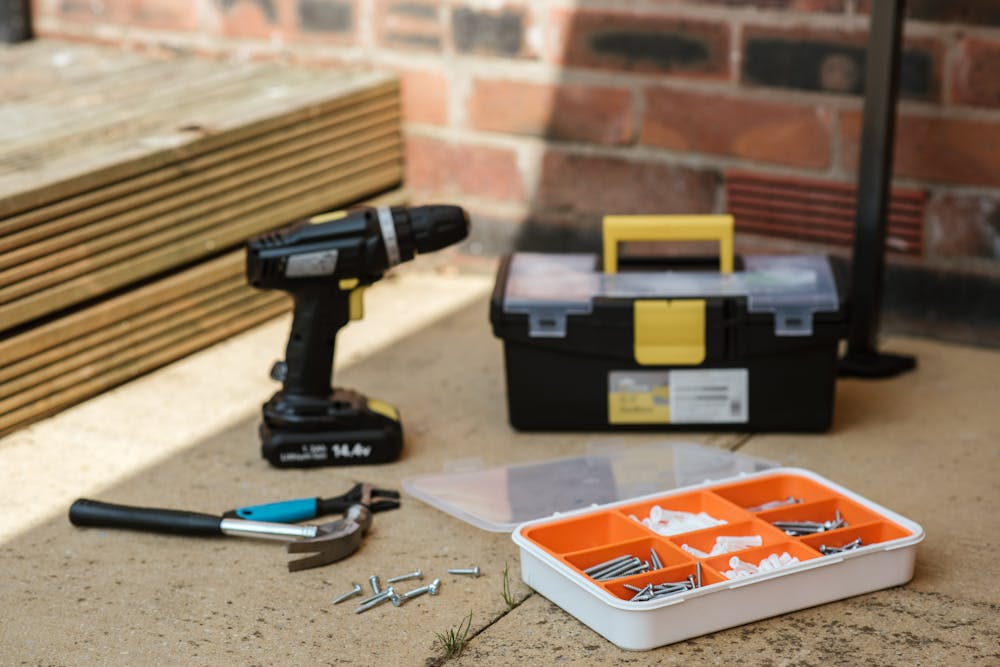
Before starting, gather the following tools and materials to ensure a smooth repair process:
- Replacement screen mesh – Available in fiberglass or aluminum
- Spline – The rubber or vinyl strip that holds the mesh in place
- Spline roller – To press the spline into the frame
- Utility knife or scissors – To cut the mesh to size
- Measuring tape – To ensure accurate dimensions
- Pliers – Useful for removing old spline or mesh
Having the right tools prevents mistakes and makes the repair faster. Fiberglass mesh is flexible and easy to work with, ideal for most home repairs. Aluminum mesh is more durable but requires careful handling to avoid bending. With these materials on hand, you can tackle the most common window screen problems without difficulty.
How to Repair Window Screens With Small Holes
Small holes or tears are the easiest to fix and don’t require replacing the entire screen. Here’s how to do it:
- Clean the damaged area – Remove any dust or debris around the tear.
- Patch the hole – Use a small piece of replacement mesh slightly larger than the hole.
- Secure the patch – Apply adhesive or use small clamps to hold the patch in place.
- Trim excess mesh – Make sure the edges are smooth and flush with the existing screen.
This method works well for minor damage caused by pets, accidental punctures, or debris. It’s a quick, cost-effective solution that restores functionality without replacing the whole screen.
How to Repair Sagging or Loose Screens
Sometimes, the screen itself isn’t torn, but the mesh has become loose or sagging. Repairing this requires tightening it within the frame:
- Remove the old spline – Use pliers to carefully pull out the rubber or vinyl strip.
- Reposition the mesh – Stretch the screen evenly across the frame.
- Insert new spline – Use the spline roller to press it firmly into the groove, securing the mesh.
- Trim the edges – Remove any excess material for a clean finish.
Proper tension prevents future sagging and restores the screen’s appearance and function. Stretching the mesh evenly ensures that it won’t warp or tear during use.
When to Consider Replacing the Screen
While most minor damages can be repaired, there are situations where replacement may be more practical. If the mesh is severely torn, frayed along multiple edges, or the frame is bent beyond repair, replacement might save time and ensure durability. Also, older screens may have weakened over time, making repairs less reliable. Understanding when to repair and when to replace will help you maintain your home efficiently without wasting money on temporary fixes.
Safety Tips for DIY Repairs
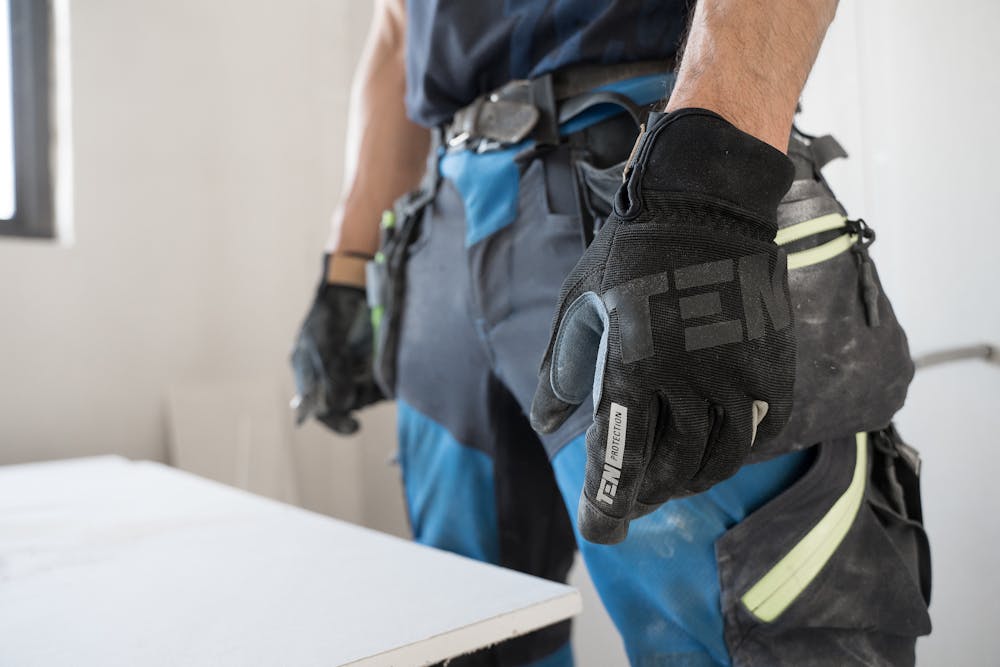
Safety is crucial when working with window screens. Here are some tips to keep in mind:
- Wear gloves to prevent cuts from sharp frame edges.
- Work on a flat surface to avoid bending or damaging the frame.
- Use proper tools like a spline roller instead of improvised objects.
- Avoid over-stretching the mesh, which can cause tears or frame warping.
Following these precautions ensures a smooth repair process and reduces the risk of injury.
Final Thoughts
Repairing window screens is a practical, cost-effective solution for homeowners looking to maintain their homes without unnecessary expenses. By understanding how to repair a broken window screen, gathering the right tools, and following proper techniques, you can extend the life of your screens and keep your home comfortable and insect-free. Whether patching small holes or re-tensioning sagging mesh, these DIY methods save money and improve the longevity of your window screens.