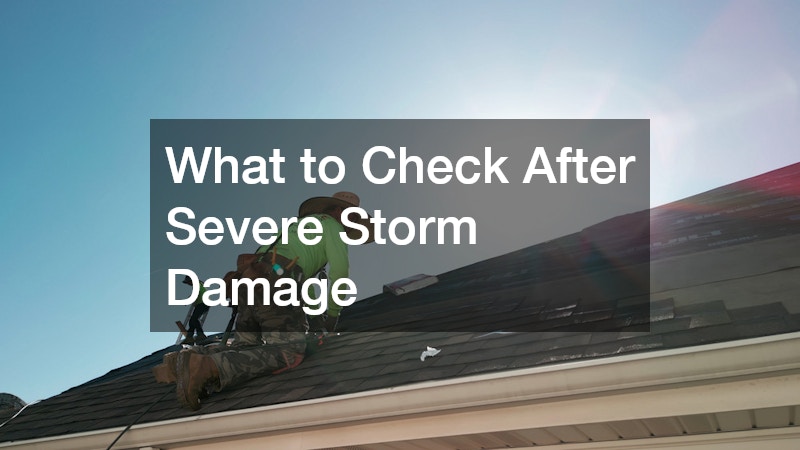

Severe storms can leave a home feeling unfamiliar. A yard that looked normal yesterday may now have scattered branches, standing water, shifted soil, damaged trim, or damp spots inside the house. In the first few hours afterward, it is easy to focus only on the most obvious mess, but storm damage is not always dramatic. Sometimes the most expensive problems begin quietly, behind drywall, under flooring, around exterior openings, or in places homeowners rarely inspect.
The goal after a major storm is not to panic or start tearing things apart. It is to slow down, stay safe, and move through the property in a careful order. A calm inspection helps you decide what needs immediate attention, what should be monitored, and what may require a professional evaluation. It also gives you better notes and photos if you need to contact your insurance company or schedule repairs.
Wait until conditions are safe before walking around the property. Avoid standing water, downed lines, unstable trees, loose materials, and any area where the ground feels soft or washed out. Once it is safe to begin, use the following guide to check your home with a practical, area-by-area approach.
Making Safety Your First Priority

The first inspection should be visual, not hands-on. Before picking up debris or testing anything, stand back and look for immediate hazards. A storm can loosen heavy materials, weaken tree limbs, shift outdoor structures, or push water into places where electrical systems are present.
Start outside from a safe distance. Look for leaning trees, broken branches hanging overhead, sagging fences, displaced gutters, torn screens, and loose exterior materials. Do not climb ladders or walk on wet surfaces to get a better view. If you cannot see an area clearly, take photos from the ground and inspect later with help.
Inside the home, use your senses carefully. A musty odor, a new stain on the ceiling, a soft spot underfoot, or a door that suddenly will not close can all point to hidden damage. If you smell gas, see sparks, hear buzzing near an outlet, or notice water around electrical panels or appliances, leave the area and contact the appropriate emergency or utility service.
Inspecting the Exterior From the Ground
The outside of the home usually takes the first hit during severe weather. Wind, hail, heavy rain, and flying debris can damage materials in ways that are not obvious from the driveway. Begin with a full walkaround, staying on solid ground and keeping your distance from anything unstable.
Look upward first. Missing shingles, lifted flashing, sagging gutters, and debris resting on upper surfaces may suggest the need for roof repair. You may also notice granules collecting near downspouts after hail or heavy wind, which can mean roofing materials were worn down or struck hard during the storm. Do not assume everything is fine just because water is not dripping indoors yet. Some leaks take time to appear.
It is also smart to look at the edges of the home. Fascia, soffits, trim, vents, and siding can pull loose when wind pressure changes quickly. These openings matter because they can let in rain, pests, and humid air. If you see exposed underlayment, separated seams, or materials flapping in the wind, document the damage and consider calling a roofer for a closer inspection rather than trying to climb up yourself.
Tracing Moisture Inside the Home
Water rarely travels in a straight line. A stain in a hallway may come from an opening several feet away. A drip near a light fixture may have followed a framing member before appearing on the ceiling. Because of that, interior moisture checks require patience.
Start with the ceilings beneath upper levels, attic areas, or exterior walls. Look for rings, discoloration, bubbling paint, soft drywall, or sagging sections. Even a faint yellow mark can matter if it appears after a storm. If the spot is damp, place a container underneath it and move furniture or valuables away. Avoid touching wet electrical fixtures or ceiling fans.
Mechanical areas also deserve attention. In homes with hydronic heating, water intrusion near equipment can complicate existing problems and may lead to boiler repair if components, controls, or nearby piping were affected. You do not need to diagnose the system yourself. Instead, look for puddles, corrosion, unusual noises, loss of hot water, or equipment that shut down unexpectedly after the storm.
Checking the Base and Drainage
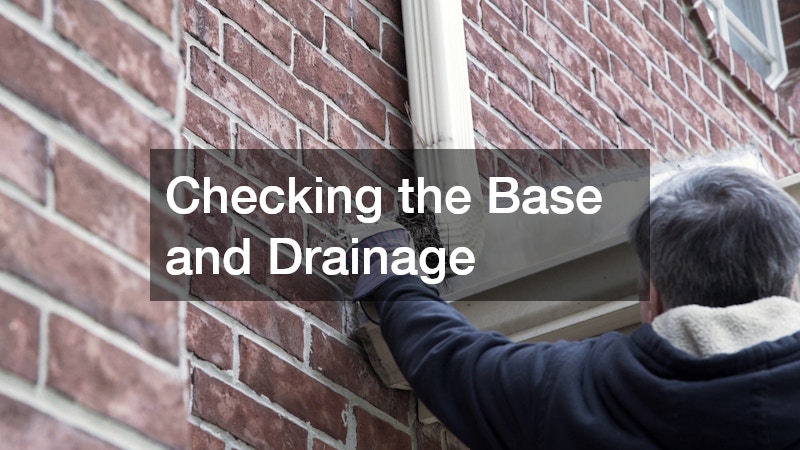
After a storm with heavy rainfall, the area where the home meets the ground becomes especially important. Water that pools near the base of a house can create pressure against walls, seep into lower levels, and wash away supporting soil. Walk the perimeter and look for changes that were not there before the storm.
Fresh soil erosion is one of the most useful warning signs. You may see channels where water rushed through mulch beds, exposed roots, gaps beneath walkways, or soil pulled away from the house. Downspouts may have disconnected or shifted, sending water toward the structure instead of away from it.
Inside, inspect basements, crawl spaces, and slab edges where visible. Watch for damp walls, new cracks, mineral stains, musty smells, or water lines on stored items. A small seepage point can become a bigger issue if the drainage problem outside remains unchanged. Doors that suddenly stick, floors that feel uneven, or cracks expanding around windows may also justify an evaluation by a foundation repair service.
Securing Openings and Damaged Entry Points
Windows and doors often show storm damage quickly because they are exposed, framed openings in the exterior shell of the home. Wind can drive rain through worn seals. Debris can crack panes. Pressure changes can shift frames or make doors harder to operate.
Begin by checking each window from the inside. Look for cracked glass, water on the sill, warped trim, damaged screens, or condensation between panes. Then inspect from the outside when safe. If glass is broken, keep people and pets away from the area. Temporary coverings can help prevent additional water from entering, but they should be installed carefully and without putting pressure on unstable pieces. In many cases, glass repair is safer than attempting to remove sharp fragments or reset a damaged pane yourself.
Doors deserve the same attention. Open and close them slowly. If a door scrapes, sticks, or no longer latches, do not force it. The frame may have shifted, the threshold may be swollen, or nearby materials may be wet.
Testing Mechanical Systems Carefully
Heating and cooling equipment can be affected by flooding, power surges, debris, and blocked airflow. The safest approach is to inspect before you restart or continue using a system that may have been exposed to storm conditions.
Outside, look at the cooling unit. Remove loose leaves or small debris around it only if the area is dry and safe. Do not reach into the unit or try to straighten bent parts. If the unit was submerged, hit by debris, or is making unusual noises, turn the system off and schedule local ac repairs before continued use. Running damaged equipment can turn a repairable problem into a more expensive failure.
Inside, check vents, air returns, thermostats, and equipment closets. A burning smell, clicking sound, short cycling, or weak airflow can point to an issue that needs professional attention. A qualified HVAC company can inspect electrical components, refrigerant lines, drainage, and airflow after severe weather, especially if the storm involved flooding, lightning, or repeated power outages.
Evaluating Outdoor Surfaces and Water Flow

Storm damage is not limited to the house itself. Driveways, walkways, patios, steps, and retaining features can shift when soil becomes saturated or water moves quickly across the property. These areas matter because they affect safety, drainage, and access.
Take a slow walk across paved and hard outdoor surfaces. Feel for uneven spots beneath your feet. Look for new cracks, sunken sections, lifted edges, washed-out joints, or loose materials. If a walkway now slopes toward the house or a patio holds water against an exterior wall, the surface may be contributing to future moisture problems.
Properties with larger paved areas may need asphalt resurfacing if storm runoff exposed deeper wear, created potholes, or worsened cracking. Damaged pavement can collect water, freeze in colder weather, and break down faster after each storm.
Patios, steps, retaining edges, and stonework should also be checked for movement. If pavers have shifted, steps feel loose, or drainage channels are no longer directing water properly, hardscape installers may be able to correct the layout and improve water flow.
Reviewing Interior Finishes and Storage Areas
Inside the home, storm damage often hides behind ordinary surfaces. Walls, trim, cabinets, flooring, and built-in storage can absorb moisture or trap damp air. These areas may not look urgent at first, but they can lead to odor, staining, swelling, and mold if ignored.
Walk through rooms slowly and look at lower wall sections, baseboards, corners, and areas near exterior walls. Press gently on suspicious drywall with a dry hand. If it feels soft, swollen, or crumbly, moisture may have entered. Look for peeling paint, warped trim, buckled flooring, and musty smells in closets.
Cabinets are worth opening, especially in kitchens, bathrooms, laundry rooms, garages, and finished basements. Moisture can collect behind stored items, along toe kicks, or under shelves. If cabinets have absorbed water, cosmetic updates such as cabinet painting should wait until the material is fully dry and stable. Painting too soon can trap moisture and hide a problem that needs repair first.
Documenting Damage Before Cleanup Begins
Good documentation can make the repair process less frustrating. Before hauling debris away or making temporary fixes, take photos and notes. You do not need professional equipment. A phone camera and a simple written record are enough if you are thorough.
Start with wide photos that show where the damage is located. Then take closer photos of the specific issue. For example, photograph the entire room, then the stained ceiling, then a close-up of the stain. Outside, photograph the full side of the home before taking close-ups of damaged materials.
It also helps to record:
- The date and approximate time you noticed the damage
- What the weather conditions were like during the storm
- Which rooms or exterior areas were affected
- Any temporary steps you took to prevent further damage
- Receipts for supplies, cleanup, lodging, or emergency work
If roof repair becomes necessary, documentation from the earliest inspection can help show how the damage appeared before materials were moved or covered. If broken windows or doors required glass repair, save invoices, photos, and any notes from the technician.
Choosing Professional Help Wisely

Some storm damage is safe for homeowners to document but not safe to repair. Knowing when to stop is part of protecting the home. If you see structural movement, active leaks, electrical exposure, broken exterior openings, flooded mechanical areas, or unstable overhead materials, it is time to bring in qualified help.
The challenge after a severe storm is that many homeowners in the area may be looking for help at the same time. This can make it tempting to hire the first person available. Try not to rush that decision for major repairs. Ask whether the contractor is licensed and insured where required, request a written scope, and avoid vague promises that are not tied to specific work.
For exterior damage, a roofer should be able to explain what they found, show photos when possible, and distinguish between temporary protection and permanent repair. For cracks, shifting, or water intrusion near the base of the home, a foundation repair service should evaluate both the visible damage and the conditions that caused it.
Moving Forward With a Repair Plan
Once the first inspection is complete, organize the issues by urgency. Safety problems come first. Active water intrusion, electrical concerns, structural movement, broken openings, and damaged mechanical systems should be addressed before cosmetic work. After that, you can move toward drying, cleaning, repairing surfaces, and restoring normal use of the home.
It may help to divide your notes into three groups: immediate hazards, repair priorities, and items to monitor. Some damage is obvious right away, while other problems appear over several days as materials dry, swell, stain, or shift. Rechecking the home after 24 hours, 72 hours, and the next rainfall can reveal issues that were not visible at first.
A thoughtful storm inspection is not about finding every possible flaw in one pass. It is about creating a clear picture of what changed, what needs action, and what should not be ignored. With careful documentation, safe decision-making, and the right professional support when needed, homeowners can move from uncertainty to a practical recovery plan without overlooking the hidden problems that storms often leave behind.