

Your roof is the primary shield between your family and the elements. While most homeowners view a roof as a “set it and forget it” feature, its lifespan is heavily dictated by the preventative measures taken throughout the year. Extending the life of your shingles, flashing, and underlayment requires a holistic approach that goes beyond the shingles themselves. It involves managing the surrounding landscape, maintaining the drainage systems, and ensuring the internal environment of the attic does not cause premature degradation.
Proactive Debris Management and Drainage Health
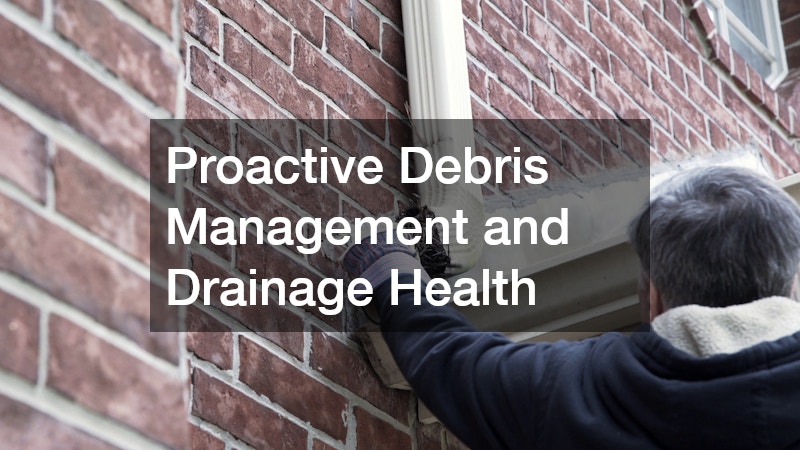
The gutter system is the circulatory system of your roof. When it functions correctly, water is whisked away from vulnerable edges. When it fails, water lingers, finding every microscopic crack in your home’s exterior. Clogged drainage systems are the leading cause of water backup, which can rot fascia boards and seep under shingles. When water sits at the edge of the roof, it creates a breeding ground for mold and compromises the structural integrity of the roof deck.
Accumulated organic matter like pine needles and decomposing leaves traps moisture against the roofline. Hiring a local gutter cleaner twice a year ensures that downspouts remain clear and water is diverted away from the foundation and roof edge. This prevents the heavy weight of wet sludge from pulling your gutters away from the rafters.
To reduce the frequency of manual cleanings and prevent heavy debris from entering the troughs, consider a high-quality gutter guard installation. These systems act as a primary filter, allowing water to flow freely while keeping out the organic material that leads to rust and weight-related sagging. By keeping the channels clear, you reduce the risk of ice damming in colder climates.
Ensure your downspouts extend at least five feet away from your foundation. This prevents the soil from saturating and shifting, which can cause the house to settle and put undue stress on the roof’s wooden framing.
Managing the Surrounding Canopy for Roof Safety
Overhanging branches are more than just a nuisance. They are physical threats to your roofing material. During high winds, branches can scrape away the protective granules on asphalt shingles, leading to rapid thinning and leaks. Furthermore, trees provide a highway for rodents and insects to access your roof vents.
Beyond the physical impact, a dense canopy creates a microclimate of perpetual shade and dampness. When a roof cannot dry out properly after a rainstorm, the constant moisture weakens the adhesive seals of the shingles and encourages the growth of wood-rotting fungi. Maintaining a clear “buffer zone” of at least ten feet between your roofline and the nearest branch is a fundamental rule for long-term preservation.
Audit Tree Health and Proximity
Living assets near your home need professional evaluation to ensure they are not dropping excessive sap or limbs. Consult with a local arborist to identify which trees pose a risk to your roof’s structure and which ones require strategic pruning to improve airflow. Proper thinning of the canopy allows more sunlight to hit the roof, which discourages the growth of moss and algae. This expert assessment helps distinguish between a healthy tree that just needs a trim and one that has internal structural failures hidden from the untrained eye.
Eliminate High-Risk Overhead Hazards
If a tree is leaning precariously or shows signs of internal decay, it is a danger to your home. Utilizing a professional tree service to manage large-scale pruning or removals ensures that heavy limbs do not come crashing down during the next summer storm. This proactive removal is significantly cheaper than repairing a crushed roof deck. Professional crews have the rigging equipment necessary to lower heavy wood safely without it bouncing off your gutters or cracking your siding.
Leaf Litter Removal
Even if branches do not touch the roof, they drop leaves that collect in valleys. This trapped debris holds moisture against the shingles, causing them to soft-rot over time. Clearing these valleys every autumn is essential for preventing leaks. When organic matter is left to decompose on the roof surface, it creates an acidic mulch that can actually eat through the protective coatings of metal flashing and asphalt alike.
Professional Structural Inspections and Minor Fixes

A roof does not usually fail all at once. It fails in small increments that go unnoticed by the untrained eye. Detecting a popped nail or a cracked seal early can mean the difference between a simple patch and a full-scale renovation. Regular inspections are the only way to catch these issues before they manifest as brown spots on your ceiling.
Small gaps in flashing or minor shingle damage can lead to significant interior water damage. Executing timely roof repairs as soon as a problem is spotted prevents moisture from reaching the wooden rafters and causing dry rot. Pay special attention to the seals around plumbing boots and chimneys, as these are the most common failure points.
A yearly physical for your home is essential for longevity. Partnering with a reputable roofing contractor allows for a professional assessment of high-wear areas like chimneys, skylights, and valleys that the average homeowner cannot safely inspect. These experts can also estimate the remaining life of your shingles, helping you budget for the future.
Metal flashing is your roof’s second line of defense. Over time, the sealant around flashing can dry out and crack due to UV exposure. Re-caulking these areas with high-grade solar-resistant sealant is a low-cost fix that saves thousands in the long run.
Optimizing Attic Climate and Insulation
The health of a roof is often dictated by what is happening underneath it. Without proper thermal regulation, your roof can overheat from the inside out during the summer or develop destructive ice dams during the winter. A balanced attic temperature is the secret to preventing shingle “blistering,” where the heat causes the asphalt to bubble and fail.
Vapor barriers and high-quality insulation prevent heat from escaping into the attic space, which protects the underside of the roof deck. Investing in a spray foam insulation service can provide an airtight seal that regulates attic temperatures and prevents the expansion and contraction cycles that stress roofing materials. This also reduces the load on your HVAC system, providing a double benefit.
Sometimes, trees are simply too close to allow the roof to breathe or dry out after rainfall. In cases where a tree is causing constant shade and moss growth, local tree removal may be the most effective way to increase sunlight exposure and keep the roof surface dry. This is particularly important on the northern side of the house where moisture lingers longest.
Ensure your soffit vents are not blocked by attic insulation. Proper airflow requires cool air to enter at the eaves and warm air to exit at the ridge. Without this flow, moisture builds up in the attic, leading to warped plywood and rusted nails.
Defensive Measures Against Biological Threats

Wildlife and insects can be surprisingly destructive to a roofing system. From chewing through shingles to nesting in soffits, biological threats can compromise the water-tight seal of your home. Animals are attracted to the warmth of your attic, and once they establish a nest, the damage to insulation and wiring can be extensive.
Small mammals often seek the warmth of an attic by prying up loose shingles or forcing their way into vents. If you hear scratching or see staining near the peak of your roof, contact a bat removal company to safely exclude wildlife and repair the entry points they exploited. These professionals ensure that the animals are removed humanely while sealing the home against future intrusions.
Wood-destroying organisms like carpenter ants or termites can weaken the very rafters that support your roof’s weight. Regular inspections from a pest control service ensure that your home’s bones remain strong enough to support the heavy load of the roofing materials and potential snow-pack. An undetected infestation can cause the roof to sag, creating pools of standing water.
While moss might look charming on a cottage, it is a parasite on a roof. It roots into the shingles and lifts them up, allowing wind-driven rain to get underneath. Using a zinc or copper strip at the ridge can create a chemical environment that prevents these organisms from taking hold.
Tactical Maintenance for Every Season
To reach the depth required to truly understand roofing longevity, one must look at the calendar. Maintenance is not a one-time event but a seasonal cycle. Each quarter brings different stresses to the materials.
Spring: The Recovery Phase
After the weight of winter snow and the lashing of ice, spring is the time for a thorough cleaning. This is when you check for shingle granules in the gutters. If you see a lot of sand-like material, your shingles are reaching the end of their life.
- Check for loose shingles that may have been lifted by ice.
- Clear away any branches that fell during winter storms.
- Inspect the attic for any signs of water leaks that occurred during the spring thaw.
Summer: The Heat Shield
UV rays are the silent killer of roofing. The sun’s radiation breaks down the chemical bonds in asphalt, making it brittle. During the summer, ensure your ventilation is working at peak efficiency. If your attic is significantly hotter than the outside air, you have a ventilation problem.
- Check for “cupping” or “curling” shingles, which indicates heat stress.
- Ensure your air conditioning ducts in the attic are well-insulated to prevent condensation.
- Keep an eye on the sealant around the chimney, as extreme heat can cause it to crack.
Autumn: The Preparation
This is the most critical time for roof maintenance. As trees shed their leaves, your drainage system is at its highest risk of failure. This is also the time when critters are looking for a place to spend the winter.
- Clean the gutters at least twice—once mid-season and once after the last leaf falls.
- Inspect all vent screens to ensure they are intact and secure against squirrels.
- Trim back any branches that have grown closer to the house over the summer.
Winter: The Load Test
In colder regions, winter is about weight and ice. If you have poor insulation, the heat from your house will melt the bottom layer of snow on your roof. This water runs down to the cold eaves and freezes, forming an ice dam.
- Monitor for large icicles, which are a primary indicator of heat loss and potential ice dams.
- Use a roof rake to safely remove heavy snow after a major blizzard.
- Check the attic for frost on the underside of the roof deck, which indicates high humidity.
Detailed Breakdown of Roofing Components
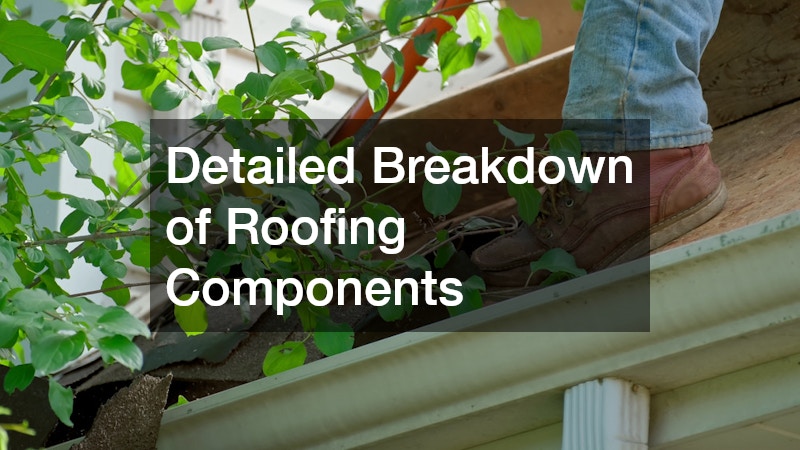
To understand how to extend the life of the roof, you must understand what you are protecting. A roof is a multi-layered system, not just a single cover.
- The Decking: Usually made of plywood or OSB, the deck is the foundation. If the deck gets wet, it swells and rots. Maintenance here is all about keeping the layers above it waterproof.
- The Underlayment: This is the felt paper or synthetic fabric that sits on the deck. It is the last line of defense. If a shingle blows off, the underlayment buys you time. However, it is not meant for long-term exposure to the sun.
- The Shingles: Whether they are asphalt, metal, or tile, shingles are the sacrificial layer. They take the beating so the rest of the house doesn’t have to. Granule loss is the most common sign of aging, as those granules are what protect the asphalt from UV light.
- The Flashing: Flashing is the metal used in “high-traffic” water areas like valleys and around vents. Most leaks happen at the flashing, not through the shingles themselves. This is why inspecting the metal work is so vital.
Maintaining a roof is an exercise in vigilance. By keeping the gutters clear, managing the trees that loom overhead, and ensuring the attic remains a controlled environment, you effectively slow down the aging process of your shingles. Most major roof failures are the result of neglected minor issues that snowballed over several seasons. Taking these steps doesn’t just protect your investment; it provides the security of knowing that when the next storm rolls through, your home is prepared to weather it.