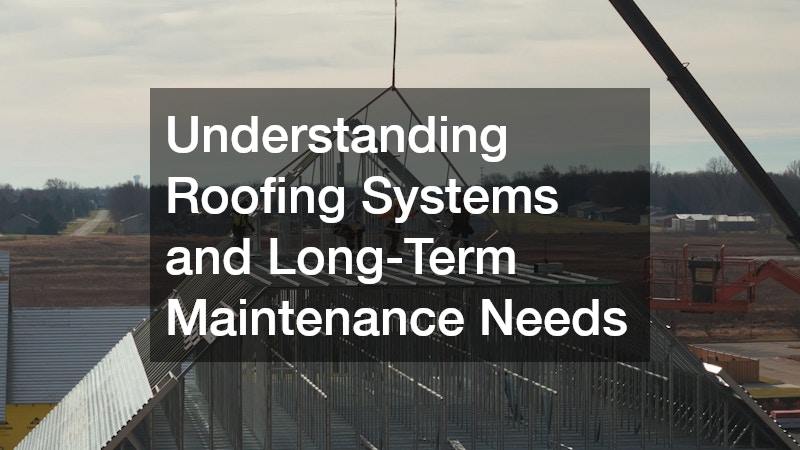

A roof is one of the most important components of any structure, yet it is often overlooked until a problem arises. It does far more than shield a property from the elements. A well-designed roofing system supports structural integrity, regulates temperature, and protects everything inside from moisture and damage.
Many property owners think of roofing as a single layer, but in reality, it is a system made up of multiple components working together. When one part fails, it can affect the entire structure. That is why understanding how roofing systems function—and how to maintain them over time—is essential to avoid costly repairs and extend the life of your investment.
Taking a proactive approach to maintenance can help prevent small issues from turning into major problems. With the right knowledge and support, homeowners and property managers can make smarter decisions, protect their property, and reduce long-term costs.
Learn How Your Roofing System Actually Works
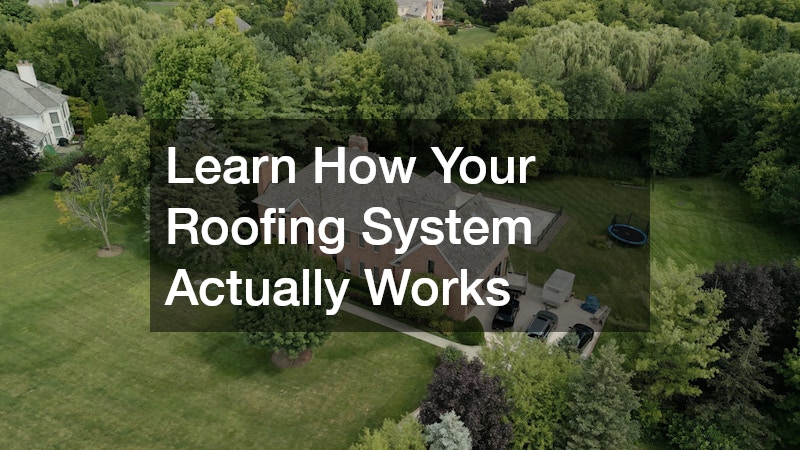
Understanding how your roof is built is the first step toward properly maintaining it. A well-constructed roof typically comprises several layers, including shingles or tiles, underlayment, insulation, and a framing structure. Each component plays a crucial role in protecting your home from the elements.
Familiarizing yourself with the materials used in your roof can help you identify potential issues early on. For instance, asphalt shingles may need replacement every 15 to 30 years, while metal roofs can last upwards of 50 years with proper care. Additionally, understanding your roof’s slope and drainage patterns can help prevent water pooling and subsequent leaks.
Regular inspections are key to maintaining your roof’s integrity. Look for signs of wear and tear, such as missing shingles, rust on metal roofs, or cracked tiles. Cleaning gutters and ensuring proper ventilation can also prolong the lifespan of your roofing materials.
By learning about your roof’s construction and keeping up with routine maintenance, you can ensure a safer, more comfortable living environment while saving on costly repairs in the future.
Break Down the Layers That Protect Your Property
A roofing system consists of several layers, each serving a specific purpose. Beneath the visible surface lies the structural base, often supported by roof metal decking, which provides stability and load support. Above that, underlayment and protective barriers help prevent moisture from entering the structure.
The outer layer, whether shingles, tiles, or metal panels, serves as the first line of defense against the elements. Ventilation systems also play a key role in regulating temperature and preventing moisture buildup.
Understand What Supports Long-Term Performance
Each component must function correctly for the system to perform as intended. Poor installation or low-quality materials can lead to premature wear and failure.
Working with a residential roofing company that understands full-system design ensures that every layer is properly installed and integrated. This approach improves durability and reduces the likelihood of future issues.
Identify Early Warning Signs Before Problems Escalate
Recognizing small issues early can save time, money, and stress.
Know What to Look for During Routine Checks
Regular inspections can help identify problems before they worsen. Common warning signs include:
- Missing or damaged shingles
- Sagging areas or uneven surfaces
- Water stains on ceilings or walls
- Debris buildup in valleys or gutters
These indicators often point to underlying issues that need attention.
Act Quickly When Small Issues Appear
Delaying local roof repair can allow minor damage to spread. A small leak, for example, can lead to structural issues or interior damage if left untreated.
Prompt roof repairs help maintain the integrity of the system and prevent more extensive work later.
Create a Simple Inspection Routine
Establishing a routine inspection schedule makes it easier to stay on top of maintenance. Seasonal checks, especially after severe weather, can help catch issues early.
Choose the Right Professionals for Ongoing Maintenance
The quality of your roofing system depends heavily on the professionals who install and maintain it.
Understand What Sets Quality Contractors Apart
Not all contractors offer the same level of expertise. Reliable local roofers bring experience, proper licensing, and a commitment to quality artistry.
When evaluating contractors, consider:
- Their track record and reputation
- Transparency in pricing and communication
- Willingness to answer questions and provide guidance
Build a Relationship with Trusted Experts
Working with the same professionals over time allows them to become familiar with your roof. This familiarity leads to more accurate assessments and better long-term care.
Focus on Value, Not Just Price
Choosing the best roofing company is not always about finding the lowest price. Quality work may cost more upfront, but it often results in fewer repairs and a longer-lasting roof.
Maintain Your Drainage System to Prevent Structural Issues
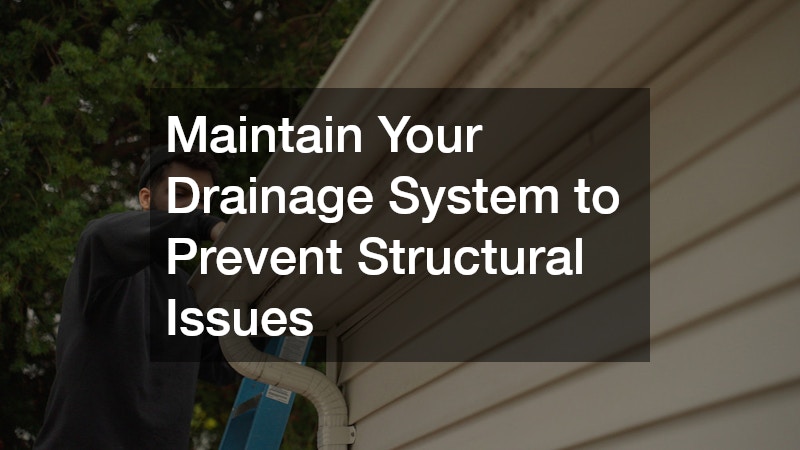
Water management is a critical part of any roofing system. It ensures proper drainage and prevents water accumulation, which can lead to damage over time, including leaks, mold growth, and structural deterioration. An effective water management strategy involves designing adequate drainage pathways, installing gutters and downspouts, and using impermeable materials. By prioritizing water management in roofing systems, property owners can extend their roofs’ lifespan and protect their investments from costly repairs.
Understand How Water Moves Off Your Roof
Proper drainage ensures that water flows away from the roof and foundation. Without it, water can accumulate, causing damage over time.
Know When to Upgrade or Replace Gutters
If your system is outdated or damaged, consider a gutter installation service. Modern systems are designed to handle higher water volumes and improve overall efficiency.
Fix Issues Before They Cause Bigger Problems
Ignoring minor issues can lead to larger concerns. Gutter repair is essential when you notice leaks, sagging sections, or overflow during rain.
Regular maintenance helps ensure that your drainage system continues to function properly.
Prevent Moisture Problems That Lead to Interior Damage
Moisture is one of the most common causes of roofing issues. It can lead to a range of problems, including mold and mildew growth, wood rot, and damage to insulation. Over time, trapped moisture can weaken the roof’s structural integrity, causing shingles to warp, curl, or even break away. Additionally, excess moisture can create an inviting environment for pests like termites, further complicating repairs and potentially leading to costly renovations.
It’s important to identify and address any sources of moisture promptly. This might include checking for leaks around flashings, ensuring that gutters and downspouts are clear, and confirming that ventilation systems are functioning correctly. Regular roof inspections can help catch these issues early, preventing more significant damage down the line. Taking proactive measures to control moisture can extend the life of your roof and maintain the integrity of your entire home.
Identify Common Sources of Moisture Intrusion
Water can enter through damaged materials, poor ventilation, or clogged drainage systems. Once inside, it can spread quickly and cause significant damage.
Act Quickly to Minimize Damage
When water damage occurs, immediate action is necessary. Addressing the source of the problem and repairing affected areas helps prevent further deterioration.
Protect Your Property with Preventive Measures
Preventative steps include:
- Sealing vulnerable areas
- Improving ventilation
- Keeping gutters and drains clear
These measures help reduce the risk of moisture-related issues.
Coordinate Roofing Work with Broader Property Improvements
Roofing projects often overlap with other improvements, such as exterior painting, window replacements, or landscaping upgrades. Coordinating these efforts can lead to a more cohesive look and save on labor costs, as contractors can work simultaneously rather than in phases. Additionally, addressing underlying issues during a roofing project, such as gutter upgrades or insulation improvements, can enhance overall energy efficiency and prolong the roof’s lifespan. It’s important to plan these projects carefully, ensuring that each aspect complements the others while remaining within budget and on schedule. Collaboration among contractors can lead to innovative solutions and ultimately yield a more robust, aesthetically pleasing outcome for your home.
Understand How Roofing Fits Into Larger Projects
When planning renovations or expansions, it’s important to consider how the roof will be affected. Changes to the structure may require adjustments to the roofing system.
Work with the Right Project Manager
A general contractor can coordinate multiple aspects of a project, ensuring that roofing work aligns with other improvements. This coordination helps prevent delays and miscommunication.
Plan Projects for Efficiency and Cost Savings
Combining roofing work with other upgrades can reduce labor costs and improve overall efficiency. When planning a roofing project, it’s beneficial to consider simultaneous upgrades, such as insulation, gutter replacement, or solar panel installation. By coordinating these tasks, homeowners can save on labor costs, as contractors can complete multiple jobs in a single visit. Additionally, this approach minimizes disruption and reduces the time the property is under construction. It also ensures that all systems work harmoniously, enhancing energy efficiency and prolonging the life of the roof and other components. Overall, integrating roofing with other home improvements can lead to significant cost savings and a more streamlined renovation process.
Build a Long-Term Maintenance Plan That Saves Money
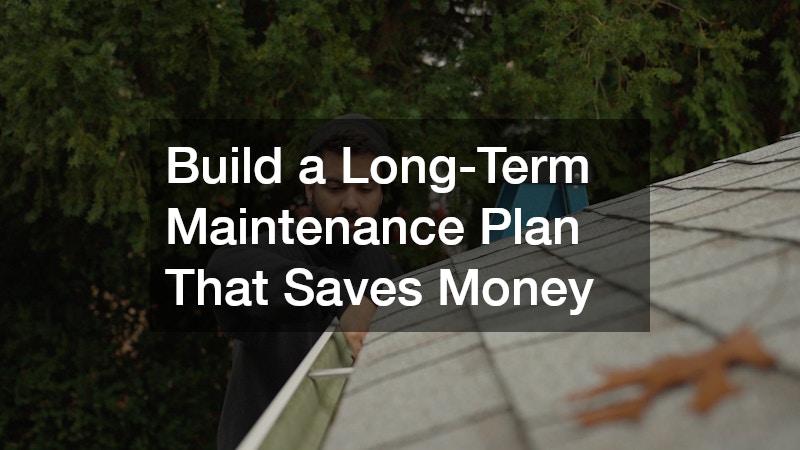
A well-maintained roof lasts longer and performs better. Regular inspections and timely repairs can prevent small issues from becoming major problems, ultimately saving homeowners from high costs. Additionally, a well-maintained roof enhances a home’s overall aesthetic appeal, boosts energy efficiency, and increases property value. Routine maintenance, such as clearing debris, checking for leaks, and ensuring proper drainage, is essential to protecting your investment and ensuring your roof withstands harsh weather. By investing time and effort in roof care, you not only prolong its lifespan but also create a safer, more comfortable living environment.
Create a Yearly Maintenance Schedule
Routine maintenance should include:
- Inspections: Regular checks are essential to identify potential issues before they escalate. This includes visual assessments and functional testing of equipment and systems.
- Cleaning: Keeping spaces and equipment clean not only improves efficiency but also extends the lifespan of components. This can involve dusting, vacuuming, or more thorough cleaning procedures, depending on the environment.
- Minor Repairs: Addressing small issues promptly can prevent larger problems down the line. This includes fixing leaks, replacing worn parts, and making adjustments to machinery.
- Lubrication: Regular lubrication of moving parts helps reduce friction and wear, contributing to smoother operation and fewer breakdowns.
- Calibration: Ensuring that instruments and equipment are properly calibrated is crucial for accuracy and operational safety.
- Documentation: Keeping detailed records of all maintenance activities, inspections, and repairs provides a historical reference that can inform future maintenance schedules and decisions.
- Training: It’s important to train staff on proper maintenance procedures and safety protocols to ensure everyone understands their responsibilities and best practices.
- Planning for Upgrades: Part of routine maintenance should also involve assessing the need to upgrade or replace older technology to enhance efficiency and effectiveness.
Tracking these activities helps ensure that nothing is overlooked, maintaining a safe and efficient environment while minimizing downtime and repair costs. Regularly reviewing and adjusting the maintenance schedule based on performance data can further optimize the process.
Budget for Future Repairs and Replacement
Setting aside funds for future work makes it easier to handle unexpected issues. Planning reduces financial stress and allows for better decision-making.
Layer Improvements Over Time
Instead of making large, sudden changes, consider gradual improvements. This approach spreads out costs and allows you to prioritize the most important updates.
Protecting Your Roof with Smart Long-Term Maintenance
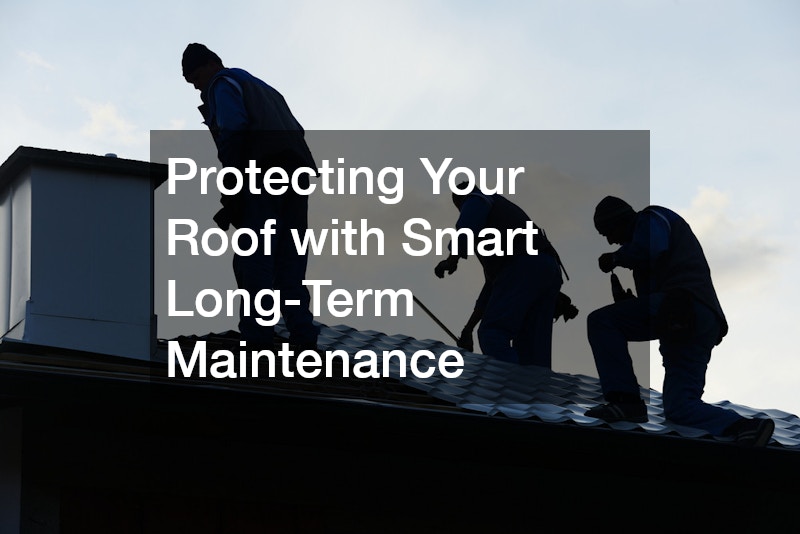
A roofing system is a long-term investment that requires ongoing attention and care. By understanding how it works and taking a proactive approach to maintenance, property owners can protect their investment and avoid costly surprises.
From routine inspections to strategic upgrades, each step plays a role in maintaining a strong and reliable roof. Building relationships with experienced professionals and planning ensures that your roof continues to perform at its best.
Taking the time to stay informed and proactive will help you maintain a safe, efficient, and durable roofing system for years to come.