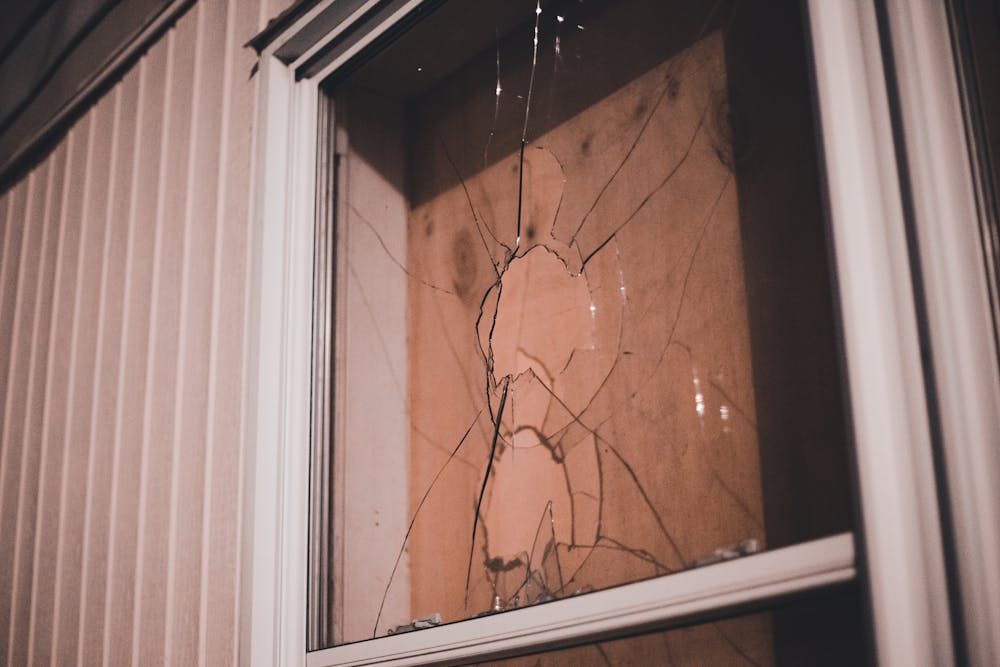

- Always prioritize safety by wearing gloves and protective eyewear when handling broken glass.
- Identify the type and extent of window damage before deciding on repair or replacement.
- Use the right tools—such as putty knives, glazing compound, and replacement glass—for effective repairs.
- Follow a step-by-step process: remove broken glass, prepare the frame, measure and install new glass, and allow proper curing.
- Avoid common mistakes like incorrect measurements, poor surface preparation, and using low-quality materials.
- Regular maintenance after repair—cleaning, inspections, and resealing—extends the lifespan of windows.
- Know your limits: minor cracks can be repaired DIY, but major damage may require professional help.
A broken window is more than just an inconvenience—it can compromise your home’s safety, energy efficiency, and overall comfort. Whether it’s caused by an accident, harsh weather, or wear and tear, knowing how to address the issue promptly and safely is essential. While some repairs may seem intimidating, many window problems can be handled with the right tools, proper preparation, and a careful approach.
This guide will walk you through everything you need to know about repairing a broken window safely. From identifying the type of damage to choosing the right tools and avoiding common mistakes, you’ll gain practical knowledge to handle the task confidently. Whether you’re a beginner or a seasoned DIYer, this article offers actionable insights to help you get the job done right.
Why Is It Important to Repair a Broken Window Immediately?
A broken window might seem like a minor issue at first, but delaying repairs can lead to bigger problems over time. Small cracks can quickly expand, especially with temperature changes or pressure, turning a manageable fix into a full replacement. Additionally, broken windows expose your home to external elements, including rain, wind, dust, and pests.
Another critical concern is safety. Broken glass can cause injuries to household members, especially children and pets. A damaged window also makes your home more vulnerable to break-ins, reducing your sense of security. Addressing the issue promptly helps maintain both safety and peace of mind.
Repairing a broken window quickly also improves energy efficiency. Cracks or gaps allow air to escape, forcing your HVAC system to work harder. This can increase energy bills and reduce indoor comfort. By fixing the problem early, you can prevent unnecessary expenses and maintain a stable indoor environment.
What Types of Window Damage Can You Repair Yourself?
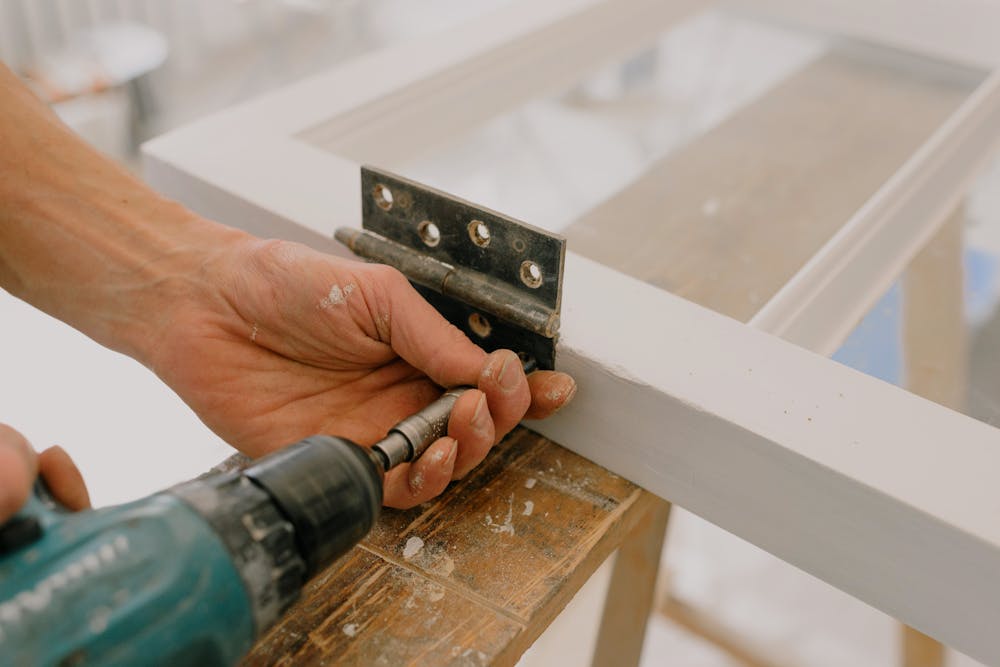
Before starting any repair, it’s important to understand the type of damage you’re dealing with. Not all broken windows require full replacement, and many issues can be resolved with simple DIY techniques. Identifying the damage correctly will help you choose the right approach and tools.
Some common types of window damage include cracked glass, shattered panes, damaged frames, and broken seals. Minor cracks or chips can often be repaired using specialized adhesives or fillers. Window screens and locks are also relatively easy to fix with basic tools and replacement parts.
However, more complex issues—such as double-pane seal failure or extensive frame damage—may require professional assistance. Attempting to fix these without proper knowledge can lead to further damage or safety risks. Knowing your limits is just as important as having the right tools.
By assessing the damage carefully, you can determine whether a DIY repair is appropriate or if it’s time to call in an expert.
How to Repair a Broken Window Safely: Tools and Tips You Need
Repairing a broken window safely starts with proper preparation and the right set of tools. Using inadequate equipment or skipping safety measures can lead to injuries or poor results. Having everything ready before you begin ensures a smoother and safer repair process.
Safety should always be your top priority. Broken glass can be sharp and unpredictable, so protective gear is essential. Additionally, working in a well-lit and organized space reduces the risk of accidents and helps you stay focused on the task.
Equipping yourself with the right tools not only improves efficiency but also ensures a professional-looking finish. Investing in quality tools can make a significant difference in both the ease and durability of your repair work.
Essential Tools You’ll Need
- Safety gloves and protective eyewear
- Glass cutter or utility knife
- Putty knife
- Measuring tape
- Replacement glass or repair kit
- Glazing compound or window putty
- Caulking gun
- Sandpaper
- Screwdriver set
Pro Tips for Safe Repairs
- Always wear protective gear when handling broken glass
- Clear the area of debris before starting
- Measure twice to ensure accurate glass replacement
- Work slowly and avoid applying excessive pressure
- Dispose of broken glass properly in a sealed container
By preparing thoroughly and following these tips, you can significantly reduce risks and achieve better results.
What Are the Step-by-Step Instructions for Fixing a Broken Window?
Fixing a broken window may seem complex, but breaking it down into clear steps makes the process manageable. Whether you’re replacing a pane or repairing minor damage, following a structured approach ensures safety and efficiency. Taking your time at each stage will help you avoid mistakes and achieve a long-lasting repair.
Before starting, make sure you have all your tools ready and your workspace prepared. Removing distractions and focusing on the task can improve both safety and accuracy. It’s also important to understand the specific repair method needed for your type of window.
By following a step-by-step process, you can confidently tackle the repair without feeling overwhelmed. Proper execution at each stage ensures a secure and visually appealing result.
Step 1: Remove Broken Glass Safely
Carefully remove any loose shards using gloves. Use a putty knife to loosen stubborn pieces, and dispose of them in a secure container.
Step 2: Clean and Prepare the Frame
Scrape away old putty or debris from the frame. Sand the area lightly to create a smooth surface for the new glass.
Step 3: Measure and Cut Replacement Glass
Measure the opening accurately and cut the glass to size if needed. Precision is crucial to ensure a proper fit.
Step 4: Install the New Glass
Place the glass into the frame and secure it using glazing points. Apply glazing compound around the edges for a tight seal.
Step 5: Allow Time to Cure
Let the compound dry according to the manufacturer’s instructions. Avoid touching or disturbing the window during this time.
Following these steps carefully will help you complete the repair efficiently while maintaining safety.
What Safety Precautions Should You Always Follow?
Safety is the most important aspect of any home repair project, especially when dealing with glass. Broken windows present multiple hazards, including sharp edges, falling debris, and exposure to outdoor elements. Taking proper precautions can prevent injuries and ensure a smoother repair process.
It’s essential to prepare both yourself and your workspace before starting. Wearing protective gear is non-negotiable, and ensuring the area is clear of obstacles reduces the likelihood of accidents. Proper lighting also plays a key role in helping you see what you’re doing clearly.
In addition to personal safety, it’s important to protect others in your household. Keeping children and pets away from the work area minimizes risks and allows you to focus on the task at hand.
Key Safety Measures
- Wear thick gloves and safety goggles at all times
- Use caution when handling sharp tools
- Work on a stable surface or ladder
- Avoid repairing windows during bad weather
- Keep a first aid kit nearby
By prioritizing safety, you can complete your repair confidently and without unnecessary risks.
When Should You Repair vs. Replace a Broken Window?
Deciding whether to repair or replace a broken window depends on the extent of the damage. While minor issues can often be fixed with simple tools, more severe problems may require a full replacement. Understanding the difference can save you time, effort, and money.
Repairing is typically the best option for small cracks, chips, or damaged hardware. These issues are usually straightforward and can be resolved quickly. However, if the structural integrity of the window is compromised, replacement may be the safer choice.
Cost is another factor to consider. While repairs are generally more affordable, repeated fixes can add up over time. In some cases, investing in a new window may provide better long-term value.
Choose Repair If:
- The damage is minor and localized
- The frame is still in good condition
- The window is relatively new
Choose Replacement If:
- The glass is completely shattered
- The frame is warped or rotting
- There is significant energy loss due to poor insulation
Evaluating your situation carefully will help you make the best decision for your home.
What Are Common Mistakes to Avoid When Repairing Windows?
Even experienced DIYers can make mistakes when repairing windows, and these missteps can cause subpar results, further damage, or even pose safety risks. Knowing the typical errors people make allows you to approach the repair with caution and increase your chances of success.
A common problem is trying to finish the job too quickly. Skipping essential steps or cutting corners can lead to faulty installation and seals that don’t hold up. Using inappropriate tools or materials is another frequent mistake, as it can weaken the repair and reduce its longevity.
Lack of preparation is another common problem. Failing to measure correctly or neglecting to clean the frame can lead to fitting issues and reduced effectiveness. Paying attention to detail is essential for a professional-quality repair.
Mistakes to Watch Out For
- Not wearing proper safety gear
- Incorrect measurements
- Using low-quality materials
- Skipping surface preparation
- Applying too much or too little glazing compound
Avoiding these mistakes will help ensure a smoother and more effective repair process.
How Can You Maintain Your Windows After Repair?
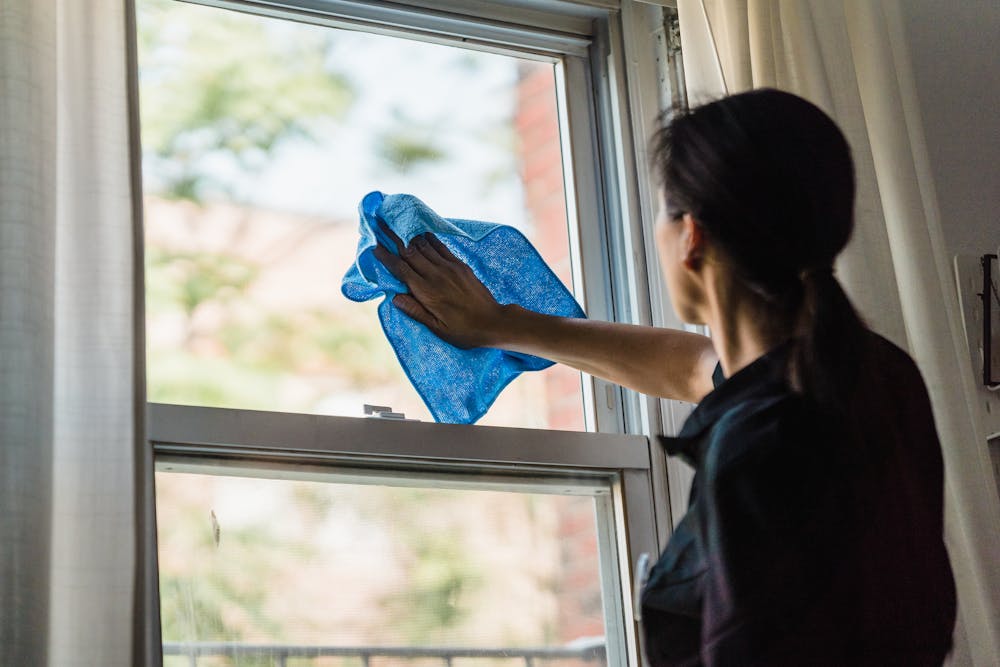
Once your window is repaired, proper maintenance is key to extending its lifespan. Regular upkeep helps prevent future damage and ensures your windows remain functional and visually appealing. A little effort can go a long way in preserving your repair work.
Routine inspections are essential. Checking for cracks, gaps, or wear allows you to address issues early before they worsen. Cleaning your windows regularly also helps maintain clarity and prevents buildup that can affect performance.
Seasonal maintenance is another important factor. Weather changes can impact window materials, so adjusting your care routine accordingly can help protect your investment. Simple steps like sealing gaps and lubricating moving parts can make a significant difference.
Maintenance Tips
- Inspect windows every few months
- Clean glass and frames regularly
- Reapply sealant as needed
- Address minor issues promptly
- Protect windows during extreme weather
Consistent maintenance ensures your windows stay in good condition for years to come.
Final Thoughts: Is DIY Window Repair Worth It?
Repairing a broken window yourself can be a rewarding and cost-effective solution. With the right tools, proper preparation, and a focus on safety, many window issues can be resolved without professional help. DIY repairs also give you greater control over the process and timeline.
However, it’s important to recognize your limits. Some repairs require specialized skills and equipment, and attempting them without experience can lead to complications. Knowing when to seek professional assistance is just as important as knowing how to perform basic repairs.
Ultimately, the decision comes down to the complexity of the damage and your comfort level with DIY tasks. By following the tips and guidelines in this article, you can confidently handle many common window repairs while keeping your home safe and secure.